Before WWI, Karnataka's sandalwood was exported to Germany for distillation. When war disrupted trade routes in 1914, the Mysore Kingdom faced a massive surplus - and a bold opportunity.
In 1916, Nalwadi Krishna Raja Wadiyar established the Government Sandalwood Oil Factory in Mysore and a Soap Factory in Bangalore. Alfred Chatterton, Director of Industries, enlisted Professors Sudborough and Watson from IISc to produce pharmaceutical-grade sandalwood oil - a first in India.
A young chemist, Sosale Garalapuri Shastry, was sent to England to master soap-making. By 1918, he created the iconic formulation - blending 100% pure sandalwood oil with vetiver, patchouli, geranium, orange, and palm rosa. He earned the affectionate title “Soap Shastry.”
Shastry deliberately made the soap oval-shaped instead of rectangular, and designed the packaging to resemble a jewellery case. At its center he placed the Sharabha - KSDL's mythical guardian.
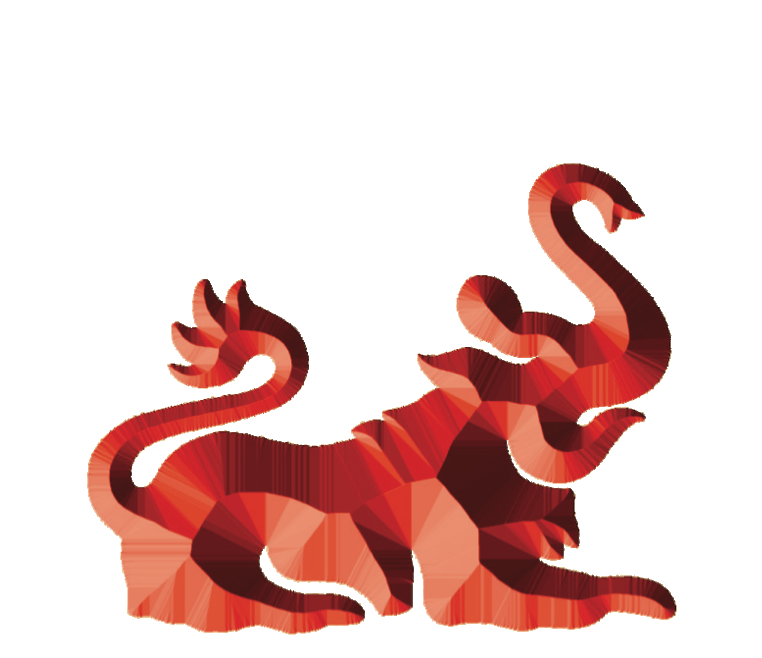
A mythical figure from the Puranas with the body of a lion and the head of an elephant - a harmonious blend of wisdom, courage, and strength.
A wartime surplus of sandalwood became a national treasure - born from a Maharaja's vision, shaped by a Bharat Ratna's engineering, and perfected by a chemist's craft. At its heart, the Sharabha - a guardian of excellence and resilience.
Glimpses from KSDL's earliest years - preserved in monochrome, kept alive in our craft.
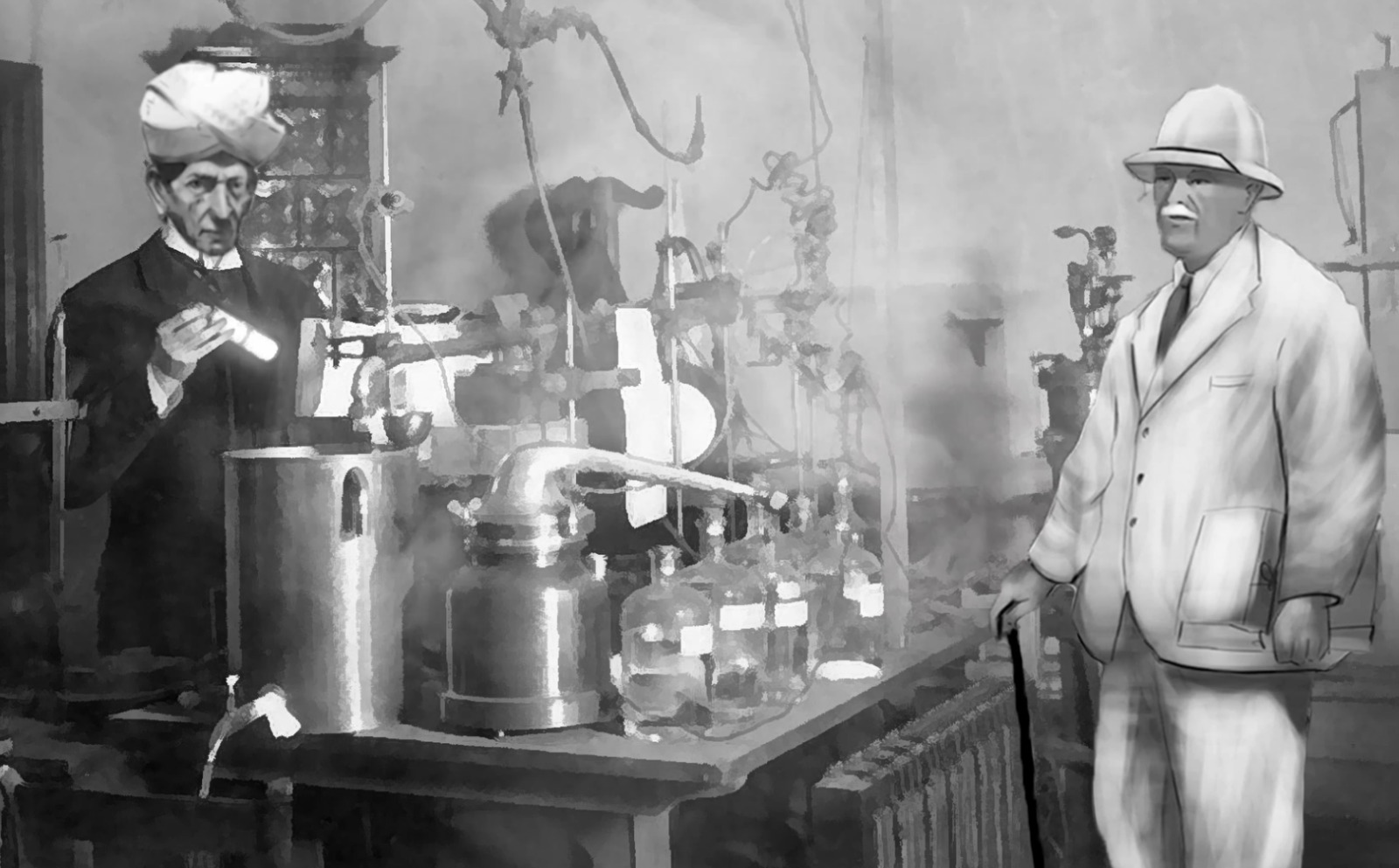
Birth of Indian Sandalwood Oil
Alfred Chatterton (right) inspects an oil sample alongside chief chemist Sosale Garalapuri Shastry (left) at the steam-distillation works - producing the first pharmaceutical-grade Indian sandalwood oil.
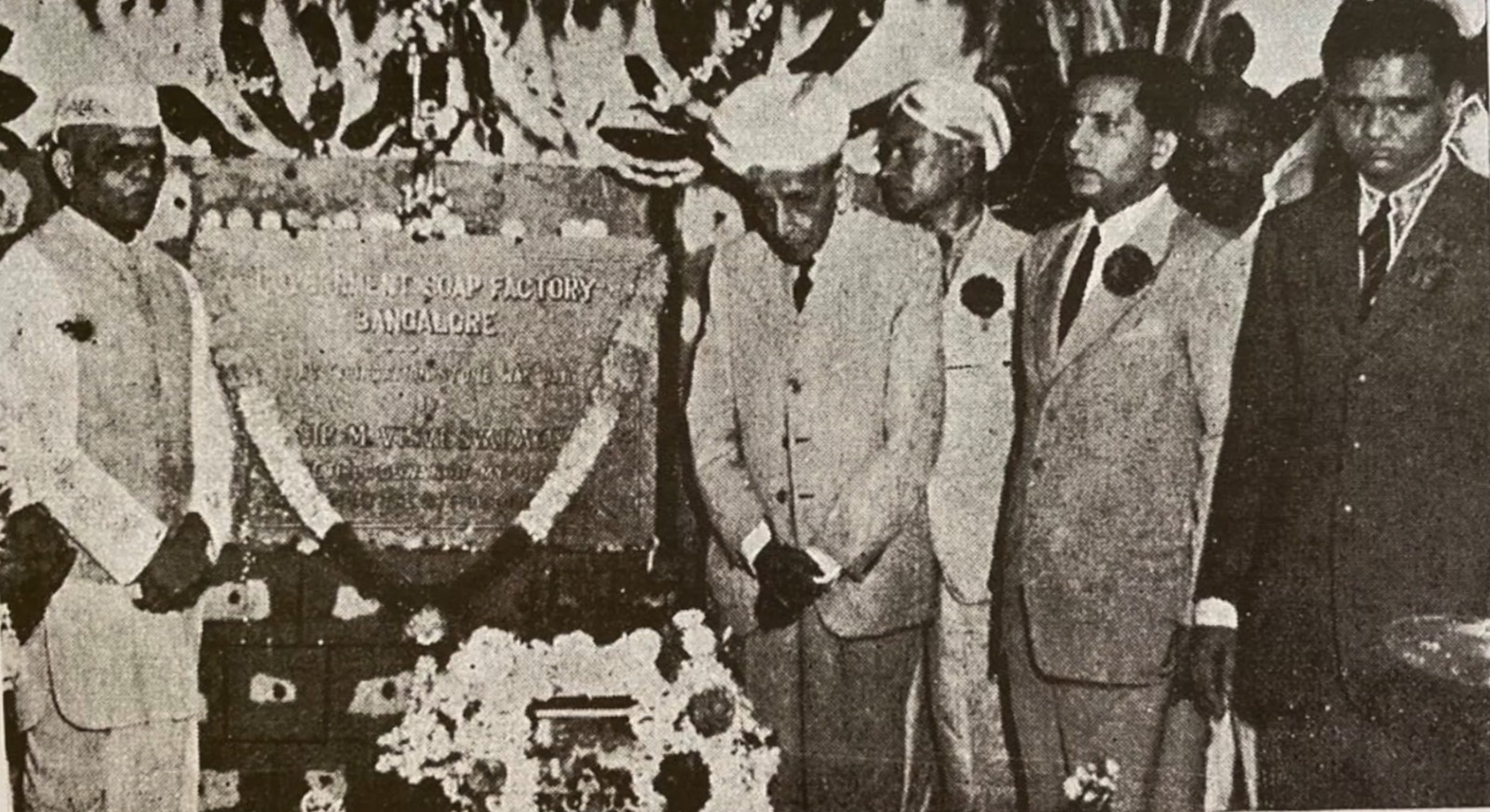
The Soap Factory, Inaugurated
Foundation ceremony of the Government Soap Factory, Bangalore - the birthplace of Mysore Sandal Soap and the precursor to today's KSDL.
A Geographical Indication (GI) Tag is a certification under the TRIPS Agreement (Article 22) that identifies a product as originating from a specific geographic region, where its quality, reputation, or characteristics are attributable to that origin. It ensures only authorized producers within that territory can use the product name.
In 2006, Mysore Sandal Soap and Mysore Sandalwood Oil received the prestigious GI tag - legally protecting the brand's authenticity. Only KSDL can produce soap under the “Mysore Sandal” name.

The GI tag means only KSDL, within the geographic territory of Karnataka, can use the “Mysore Sandal” brand name. Anyone can make sandalwood soap, but only KSDL can call it Mysore Sandal Soap. Mysore Sandal is one of 16 GI-tagged products from Mysuru out of 46 total from Karnataka, alongside Mysore Betel Leaf, Mysore Jasmine, and Mysore Paintings.